












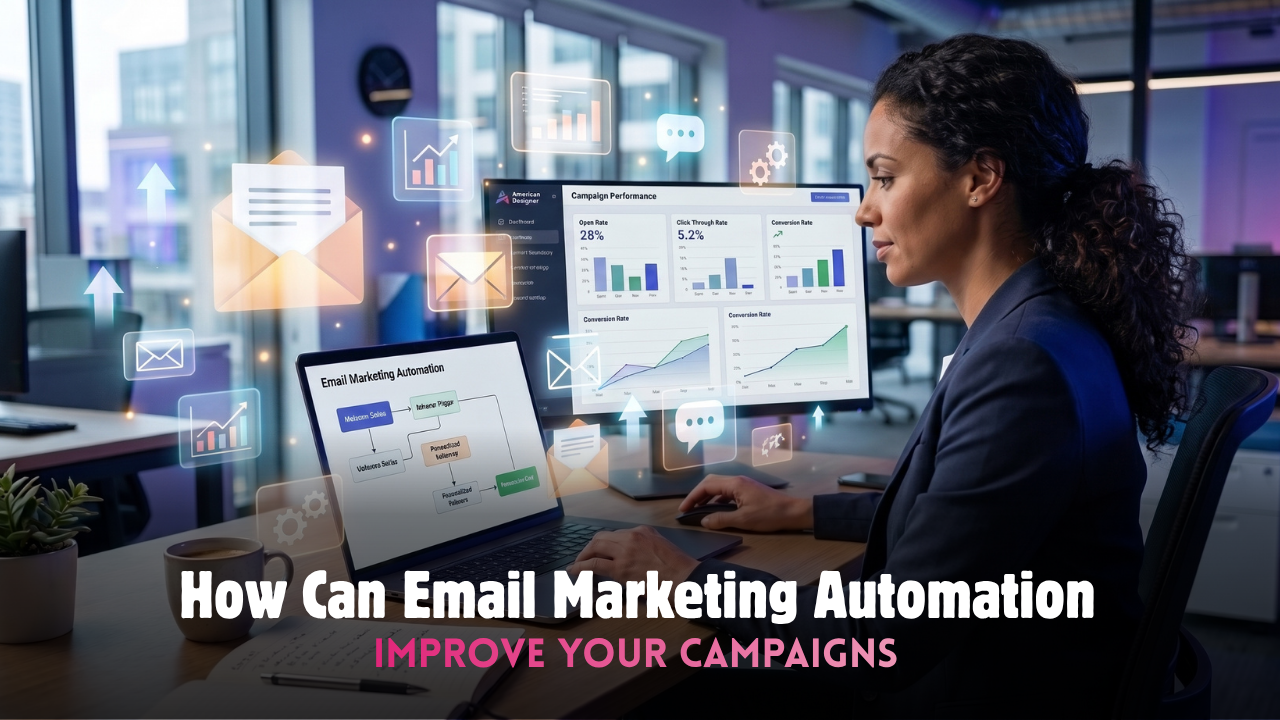
Picture a business owner at 11 pm, hunched over a laptop, copy-pasting the same welcome email for what feels like the hundredth time. Sound familiar? It should.
Almost every brand starts right there. And almost every brand eventually hits the wall, because the math stops working the second a subscriber list creeps past a few hundred names. That exact frustration is what pushes companies toward smarter systems.
It is also why a sharp email marketing agency Seattle businesses trust will point first to one thing: automation.
Not the cold, soulless kind. The good kind.
How Email Marketing Automation Works
There’s something that nobody says out loud, but that “something” is the ultimate truth about email marketing. Customers act on their own clock. One person browses at dawn. Another ditches a cart at lunch. A third finally clicks “buy now” somewhere around midnight. No human team, however caffeinated, can react to all of that in real time.
Software can. That is the quiet magic of email marketing automation. It works while the office sits dark and empty. It greets, nudges, reminds, and thanks people the moment they move. No lag. No forgotten follow-up. Just the right note landing when it actually counts.
Automation Without the Robotic Aftertaste
A fair worry hides in all of this: does automated secretly mean impersonal? Done lazily, sure, it can. But built with care, email marketing automation ends up feeling more personal, not less.
Think about the difference this way:
- A generic blast treats every single reader as one faceless crowd.
- A smart flow reacts to what each person genuinely did.
The second one wins, every time. Behavior driven events triggered emails land because they answer a real action, a real interest, a real moment. That relevance is what makes readers feel spotted rather than sold to. And people can smell the difference in seconds.
What Really Goes Into a Campaign That Converts
Plenty of folks confuse “sending a lot of emails” with running a real email marketing campaign. Those are not the same sport.
A campaign that performs leans on three quiet pillars. Segmentation first, because a brand new subscriber and a five-year loyalist deserve very different words. Timing next, since even brilliant copy flops at the wrong hour. Purpose last, one clear goal per send instead of five goals elbowing each other.
Nail those three, and an email marketing campaign stops shouting into the void. It starts a conversation. That same discipline quietly powers email lead generation, turning curious first-time readers into names genuinely worth nurturing.
Trends Moving Quicker Than a Monday Morning
The rulebook keeps shifting, and pretending otherwise is the fastest route to falling behind. A handful of email marketing trends are simply too loud to ignore this year.
Hyper-personalization stopped being a bonus. It is the baseline now. Interactive content, meaning polls and clickable menus baked right inside the email, keeps readers tapping instead of skimming past. Privacy-first data collection is rewriting how brands earn trust well before they ever earn a click.
Chasing these email marketing trends is not about grabbing shiny objects. It is about meeting people where their habits already live. Layer in well-planned customer lifecycle emails, and a brand can walk beside a buyer from the first shy hello all the way to their fifth happy reorder.
When Better Numbers Are the Whole Point
Let us be blunt for a second. Gorgeous emails that nobody acts on are just expensive decoration. The one metric that keeps everybody honest is the email marketing conversion rate.
Good news, though. Lifting it rarely demands some dramatic overhaul. It usually comes down to small, stubborn tweaks:
- One call to action, not a cluttered buffet of buttons.
- A subject line that teases without ever lying.
- A layout that reads clean on the tiny screen in everyone’s pocket.
Test each change. Keep what works, cut what flops. Do that steadily and the email marketing conversion rate climbs, week after week, almost boringly. Boring, in this case, is precisely what a business should crave. Strong email campaign performance is never luck. It is repetition plus attention, stacked over time.
Getting Started Without Losing Your Mind
Here is where teams tend to freeze. The tools look complicated, the flowcharts look intimidating, and so nothing ever actually launches.
Skip the paralysis. Begin with a single journey. Map one path, the welcome sequence is a great pick, and build it end to end. Watch how it behaves. Fix the weak spots. Then roll on to the next one.
That is truly all email marketing automation asks at the start: a willingness to begin small and stay curious. From there, it compounds beautifully. Add customer lifecycle emails for retention. Slot in event triggered emails for pinpoint timing. Watch overall email campaign performance rise as the pieces snap together, and enjoy the steady drip of email lead generation rolling in behind them.
The businesses that win here are almost never the ones with the fattest budgets. They are the ones who set things up thoughtfully, then trust the system to run.
Frequently Asked Questions
What does email marketing automation actually do?
It sends the right emails automatically based on user behavior, saving time while keeping every message relevant.
Will automated emails hurt my personal touch?
No. Built around real behavior, they often feel more relevant and personal than manual blasts.
How long before a business sees results?
Usually within a few weeks, once the first flows go live and get tested properly.
Do small businesses really need this?
Absolutely. Smaller teams gain the most, since automation stretches limited time and effort much further.